.png)


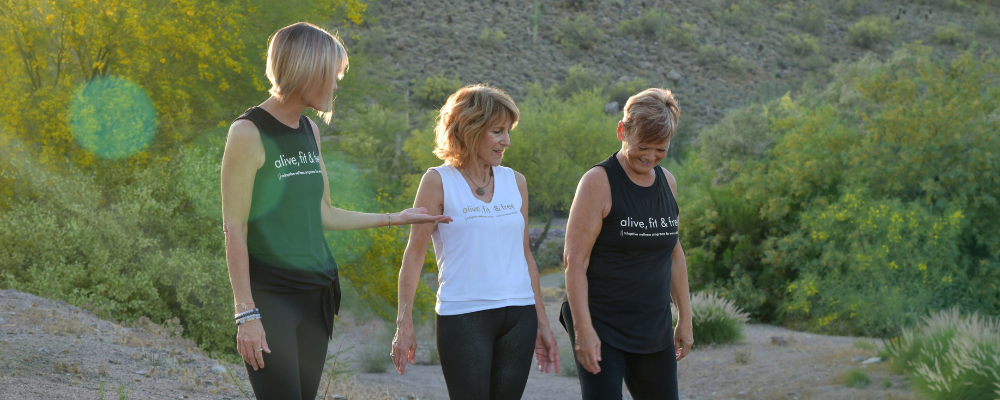
Changing your scenery—even in tiny, simple ways—can act like a reset button for your mind, gently waking up your brain, lightening your thoughts, and reminding you that there is still beauty and possibility waiting outside your normal routine.
There are seasons in life when everything starts to feel a little too familiar.
The same chair. The same street. The same grocery store. The same view out the kitchen window.
After a while, your mind can start to feel flat, heavy, or stuck—like you’re living in a loop instead of a life. That’s one reason changing your scenery can be such powerful medicine for your mind. It’s simple, gentle, and often surprisingly effective.
Your brain loves something new
Your brain is wired to respond to novelty. It likes fresh input.
New sights, sounds, colors, smells, and experiences naturally wake up your attention. When you step into a different environment, your brain has to notice. It has to orient. It has to stay present.
That small shift—from autopilot to awareness—can interrupt the loop of stale thoughts, worry, or emotional heaviness that builds when every day looks and feels exactly the same.
You don’t need a big trip to feel better
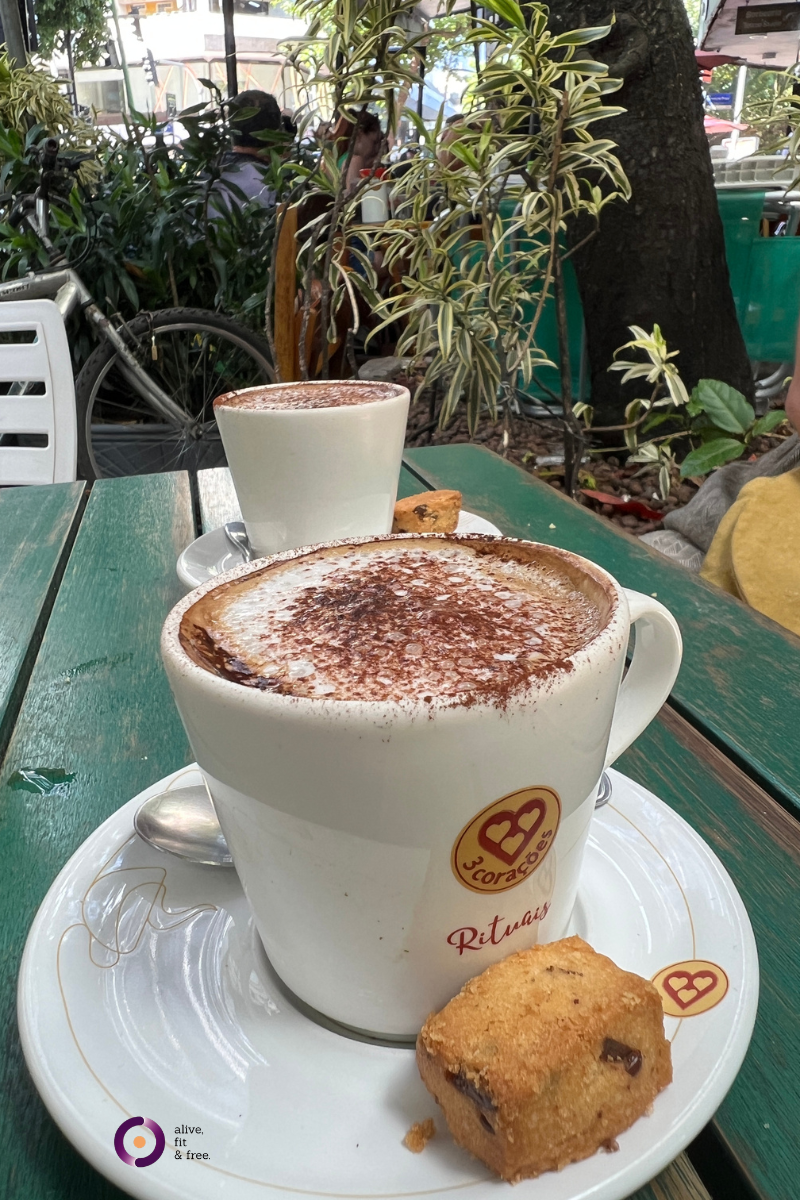
This does not mean you need a big, expensive vacation to feel better. Of course, travel can be deeply renewing. A weekend at the beach, a mountain retreat, a river cruise, or a walkable little town can absolutely refresh the spirit.
But the good news is: even small changes count.
- A new walking route through your neighborhood
- Morning coffee on the patio instead of at the kitchen table
- Visiting a nearby park you’ve never explored
- Taking a drive to a neighboring town just to walk, browse, and breathe different air
These little “micro‑adventures” may not look dramatic from the outside, but inside your brain and nervous system, they matter a lot.
How your world quietly shrinks
Micro‑adventures work because they gently pull you out of autopilot.
When life gets hard, many people slowly shrink their world without even realizing it. They:
- Stay home more
- Repeat the same routines
- Say “no” to invitations they might once have enjoyed
Sometimes this happens because of caregiving. Sometimes it’s stress, grief, fatigue, physical changes, or simple overwhelm. Sometimes life just gets busy and “easier” starts to mean “smaller.”
But the smaller your world becomes, the easier it is for your mind to feel boxed in.
Changing your scenery helps open those walls again. It reminds you there is more to see, more to feel, more to enjoy. It gives your body a different rhythm and your mind a different focus.
Instead of staring at the same to‑do list, you notice trees moving in the breeze.
Instead of replaying a stressful conversation, you listen to birds, music, or waves.
Instead of carrying the same emotional weight through the same room, you step into a space that invites possibility.
Why movement + scenery is such a powerful combo

There is something extra powerful about pairing a change of scenery with movement.
- A walk through a botanical garden
- A stroll on a boardwalk
- Exploring a museum or farmer’s market
- Simply stretching outside in the morning light
Movement and environment work beautifully together. One wakes up the body. The other refreshes the mind. Together, they help you feel more alive, grounded, and present.
This doesn’t have to be fast, long, or athletic. Think: gentle, steady, and enjoyable. You’re not training for a race; you’re giving your nervous system a reset.
Why this matters so much in midlife and beyond
This matters at every age, but it can be especially meaningful in midlife and beyond.
By that point, many adults are:
- Caring for a partner, parent, or grandchild
- Managing their own health changes
- Carrying years of accumulated stress or grief
In those seasons, a change of scenery is not frivolous. It is nourishment.
It’s a way of saying:
- “I still get to experience beauty.”
- “I still get to explore.”
- “I still get to feel joy and curiosity.”
Your world doesn’t have to shrink just because your responsibilities have grown.
Travel with intention, not pressure

Travel can become part of that healing in a bigger way when it’s approached with intention.
The best trips are not always the busiest ones. They are the ones that match your current season of life and body.
Maybe you need:
- Rest, soft mornings, and nature
- Cultural exploration, light walking, and fresh inspiration
- Laughter, connection, and a reminder that adventure isn’t over
Good travel is not about doing the most, hitting every sight, or coming home exhausted. It’s about coming home feeling:
- Fuller
- Lighter
- More connected to yourself
When you choose travel through that lens, it becomes part of your mental health plan instead of just another thing to recover from.
A simple Mental Health Month experiment
Since May is Mental Health Month, this is a beautiful time to experiment with small changes.
You don’t have to overhaul your life. Just try this:
- Choose one change of scenery this week.
- Walk somewhere new.
- Sit somewhere beautiful.
- Take your body and your mind into a different environment and notice what shifts.
While you’re there, pay attention:
- Does your breathing slow down?
- Do your shoulders drop a little?
- Do your thoughts soften, even for a few minutes?
- Do you feel the tiniest spark of energy or hope return?
If the answer is yes—even a little—that’s your nervous system saying, “Thank you. I needed this.”
The real gift of changing your scenery
That is the gift of changing your scenery.
It tells the brain, “We are not stuck. There is still life to experience. There is still beauty, movement, and joy available to me.”
Sometimes that message alone is exactly what the nervous system needs to hear.
If you’re craving more movement, more joy, and more experiences that lift both body and mind, Energy Up classes and future wellness travel experiences are a beautiful place to begin. You don’t have to do this alone—you just have to take the next small step.
.png)