.png)


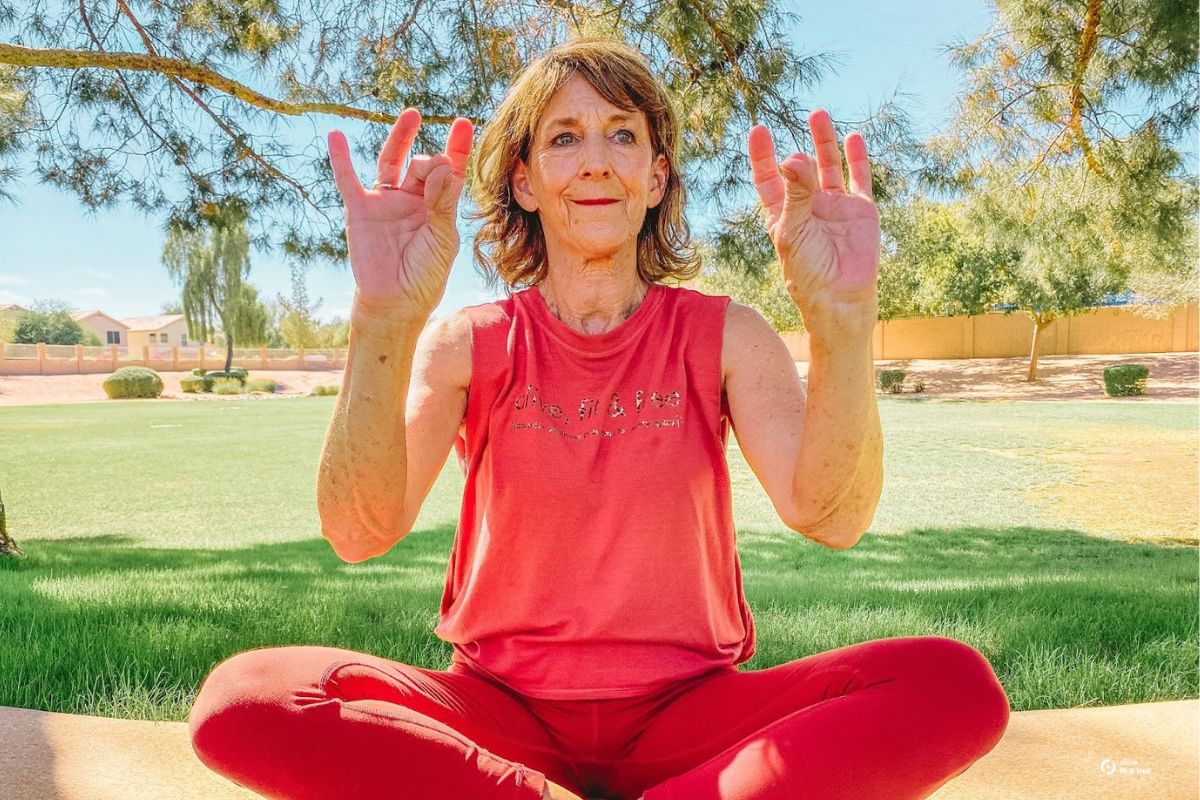
June is Alzheimer’s & Brain Awareness Month, a time to raise awareness about Alzheimer’s disease, other dementias, and the everyday habits that support brain health. During this month, many conversations focus on memory, diagnosis, safety, and caregiving. Those topics matter deeply, but one important piece of brain health often gets overlooked: stress.
Stress is hard on any body, but it is especially hard on a brain already working through dementia, Alzheimer’s, Parkinson’s, or the daily load of caregiving. When stress stays high for too long, the nervous system can get stuck in “fight-or-flight,” making memory, mood, sleep, focus, and day-to-day coping feel even harder. That is why learning to calm the nervous system is not a luxury. It is part of caring for the brain.
If you would rather follow along than just read, you can also watch the short video that goes with this post, where all five tools are guided step by step. The written tips below are here so you can come back anytime you need a simple reminder.
Why stress matters for brain health

The brain and body are always talking to each other. When the brain senses threat, pressure, or overload, the sympathetic nervous system turns on to help you respond. Heart rate rises, muscles tighten, breathing becomes more shallow, and stress hormones increase. In short bursts, that system is protective. But when someone is living with memory loss, caregiving stress, sleep disruption, grief, or uncertainty, the body may spend far too much time in that “on alert” state.
Over time, chronic stress can affect attention, mood, sleep, digestion, energy, and emotional resilience. It can also make memory challenges feel worse in the moment, even if stress itself is not the original cause of those changes. For care partners, chronic stress can create burnout, irritability, exhaustion, and the feeling of always bracing for the next hard thing.
The good news is that the body also has a calming system: the parasympathetic nervous system. This is the “rest-and-restore” side of the nervous system. It helps slow the heart, soften the breath, lower tension, and create a sense of safety that supports clearer thinking and better emotional regulation. Small, repeatable practices can help the body shift in that direction.
1. Anxiety mudra: calm in your hands
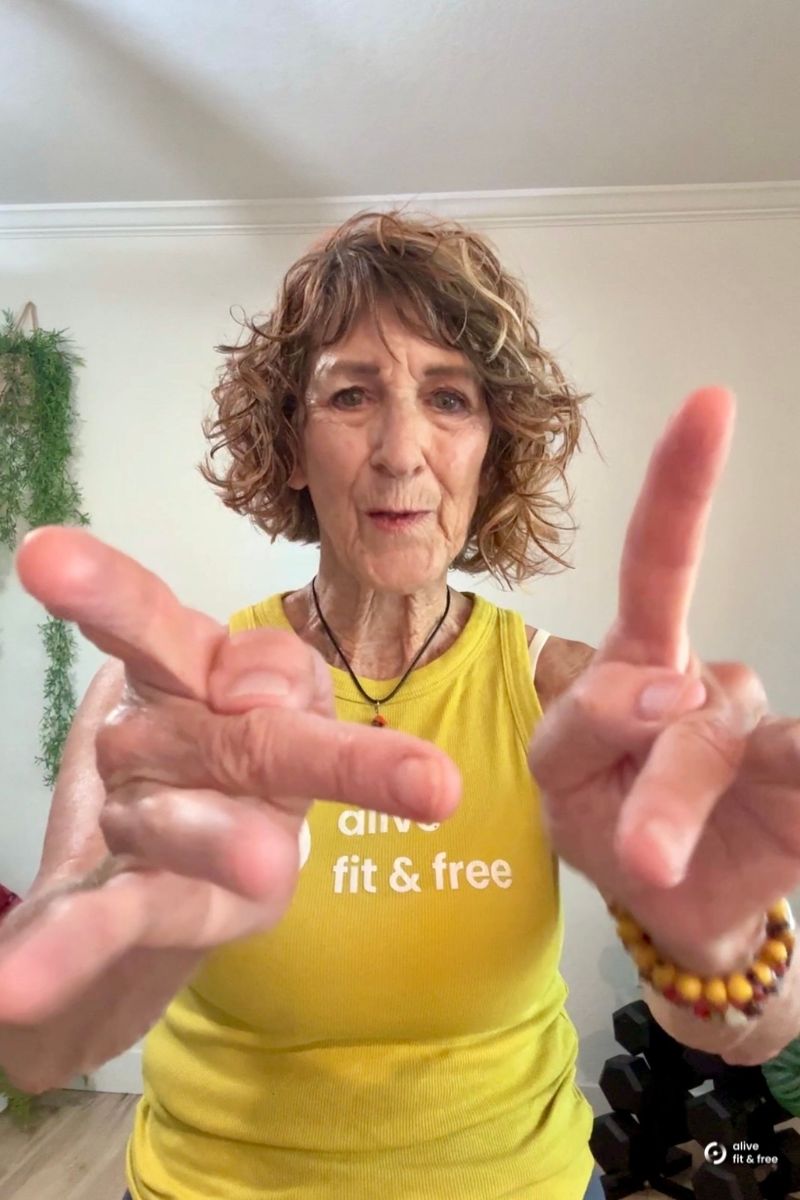
A mudra is a simple hand posture that gives the body and mind a focal point. You do not need special experience or beliefs to use one. The value is in the shape, the pause, and the attention it creates.
How to do it:
- Bring your middle finger down to touch the center of your palm.
- Bring your thumb in to rest at the base of your middle finger (this area is known as the pericardium point in Chinese medicine).
- Let your other fingers relax.
- Hold this position for at least 3 minutes while you breathe slowly.
This small hand position can help redirect attention away from racing thoughts and back into the present moment. For many people, especially when anxiety feels scattered or physical, having the hands “do something” helps the body feel more grounded.
From a nervous‑system perspective, this mudra helps shift the body out of fight‑or‑flight and toward the “rest and restore” state. In that calmer state, the body begins to release natural “feel‑good” brain chemicals (like serotonin, oxytocin, dopamine, and acetylcholine) that support clearer thinking, steadier mood, and a greater sense of safety.
This tool is especially useful before appointments, during overstimulating moments, or anytime the day starts to feel too fast. It is simple, quiet, and easy to do almost anywhere—and it can quickly become a “go‑to” way to tell your brain and body, “You are safe right now.”
2. Deep breathing: a direct signal to the nervous system

Breathing is one of the fastest ways to influence the stress response. Health organizations commonly recommend slow breathing as a way to reduce tension and support emotional regulation, and a longer exhale is especially calming for many people.
Try this gentle 3-part breath:
We are going to start with the count of 3, but you can start wherever you are at - if you can do 1 count, perfect, and if you can start with 8, again, perfect!
- Breathe in through your nose for 3 counts.
- Hold for 3 counts.
- Breathe out through your mouth for 3 counts.
- Repeat for 5 rounds.
You do not need to breathe deeply in a dramatic way. The goal is steady, comfortable breathing, not forcing more air. The slower exhale helps cue the body that it is safe enough to soften.
For people living with dementia or Alzheimer’s, this can be simplified even more. A care partner might say, “Let’s take one slow breath in… and a long breath out.” Sometimes one or two breaths are enough to interrupt an anxious spiral.
Want to try this with guidance? This breathing pattern is included in the video linked with this post.
3. Smile: small cue, big effect
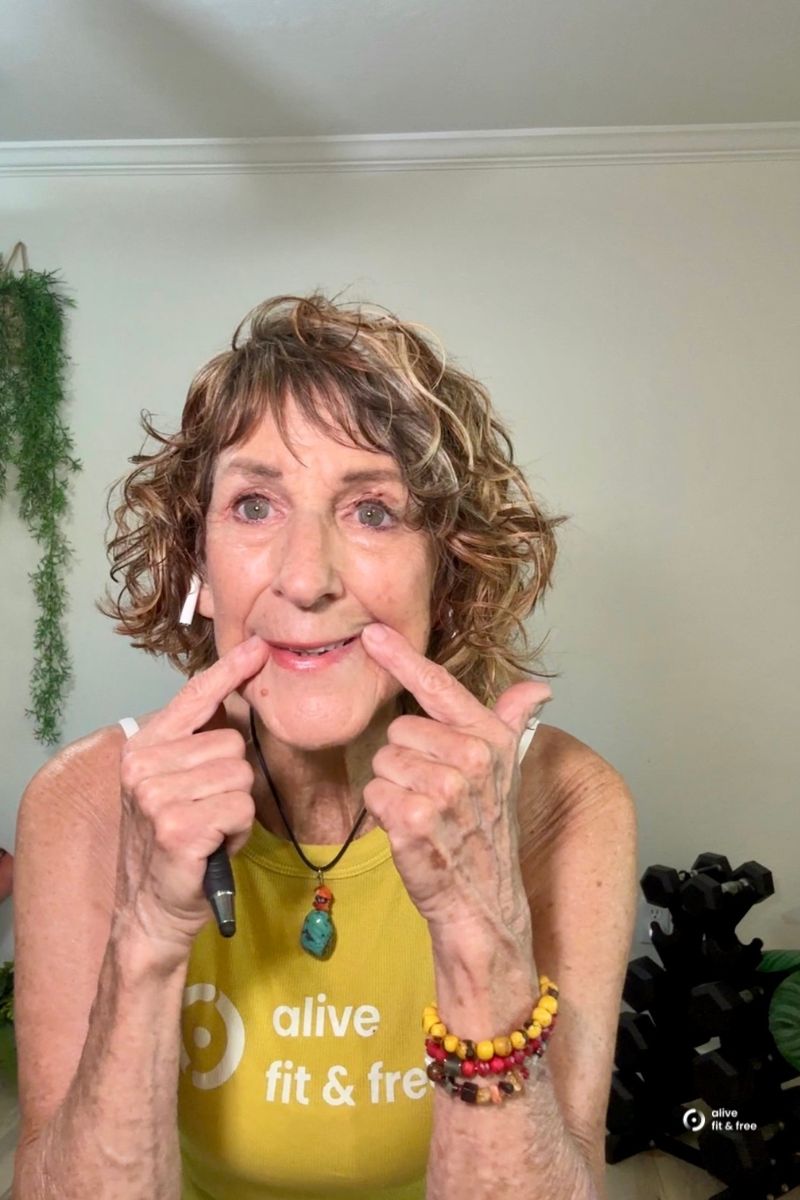
A smile may seem too simple to matter, but the face is part of the nervous system conversation. Softening the jaw, relaxing the forehead, and letting a gentle smile appear can help communicate safety back to the body. This is not about pretending life is easy. It is about giving the system a small physical cue that the present moment is survivable.
When we smile—or even when we gently clap or move in a playful way—it sends a clear message to the brain: “We are happy and safe right now.” The brain does not fully distinguish between whats real or imagined; when the corners of the mouth lift, the brain reads that as a sign of happiness and begins to release “feel‑good” chemicals that support calmer mood and easier breathing.
Try this:
- Let your shoulders drop.
- Unclench your jaw.
- Invite a tiny smile at the corners of your mouth.
- Take 2–3 slow breaths there.
You can also turn this into a short movement ritual:
- Rub your hands together briskly.
- Take a deep breath in as you raise your arms overhead.
- At the top, gently shake your hands and invite a soft smile.
- Exhale as you lower your arms back down.
- Repeat this 2 more times.
If a smile feels hard to find in the moment, you can gently place a finger, a pencil, or a pen horizontally between your teeth. This naturally lifts the corners of your mouth and can send a similar “happy and safe” signal to the brain.
You can pair this soft smile with a kind thought, a favorite image, or a memory of someone you love. For care partners, a soft smile can shift the tone of an interaction and make a difficult moment feel just a little less sharp. When we smile and soften, we help move out of the body’s stress posture and closer to rest‑and‑restore, which is one way tiny body cues can create real changes in emotional regulation.
4. Laughing on purpose: a real nervous-system reset
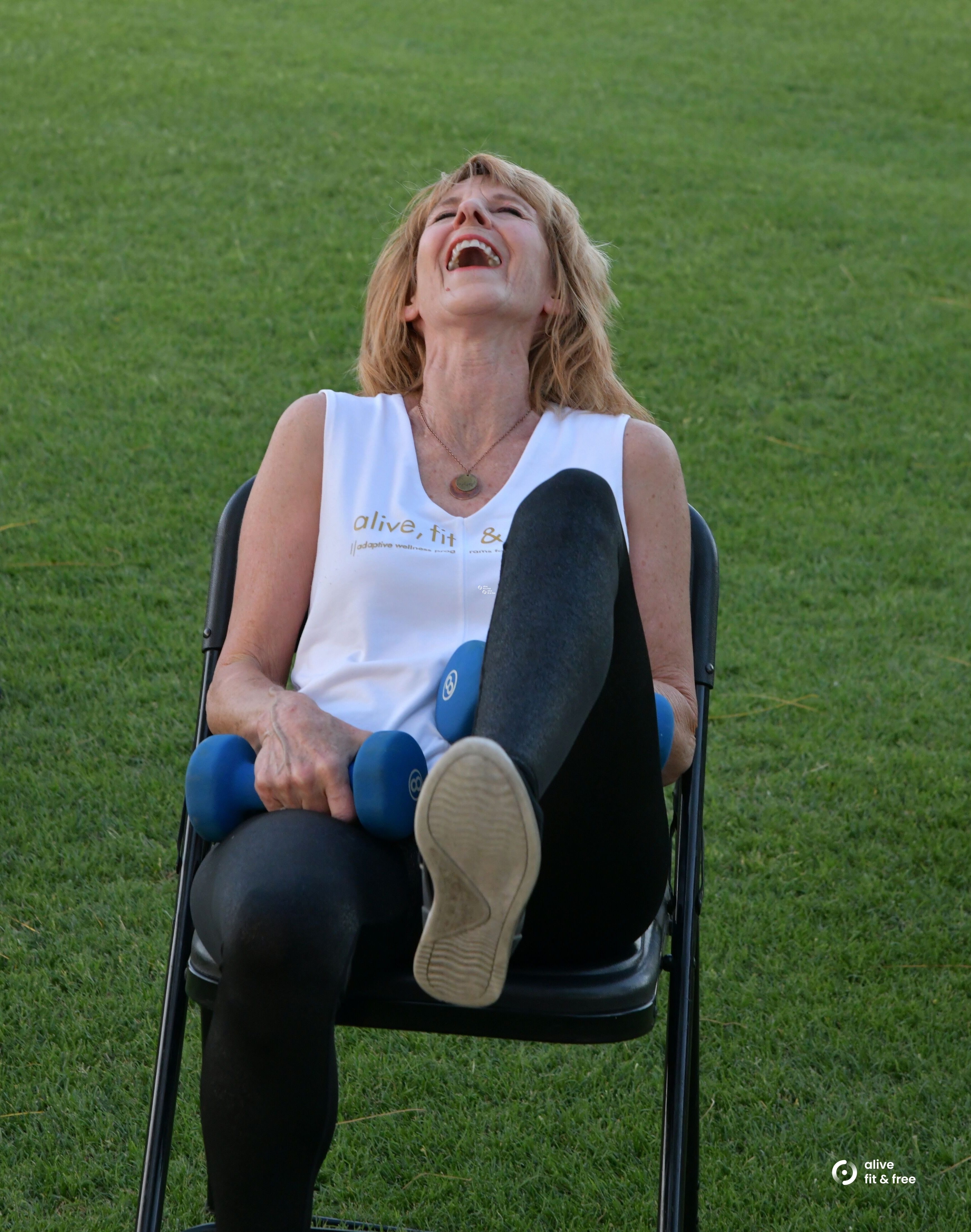
Laughter is not just entertainment. It has measurable effects on stress, mood, and even memory in older adults. When we laugh, smile, or clap in a playful way, it sends a powerful signal to the brain: “We are happy and safe right now.” The brain does not really distinguish between something that is completely “real” and something we are gently practicing on purpose—what we repeat still shapes how the brain and body respond.
Research suggests that laughter can lower cortisol, reduce anxiety, and increase helpful brain chemicals like dopamine, serotonin, oxytocin, and endorphins, all of which support mood, connection, and a greater sense of ease. That matters because when we laugh, we are often pulled out of the tight, vigilant, overfocused state that stress creates. Even a brief laugh can change breathing, loosen muscle tension, and create a small shift toward parasympathetic calm.
This does not mean people need to “be positive” all the time. It means laughter can be a practical tool. Try:
- Watching a short funny clip
- Sharing a silly memory
- Playing with exaggerated “ha ha ha” sounds until they become real laughter
- Laughing gently with music and movement
For families affected by dementia, these moments can be especially meaningful. Laughter creates connection without needing perfect memory, perfect words, or perfect circumstances.
5. Rhythmic clapping: calm through sound, pattern, and movement
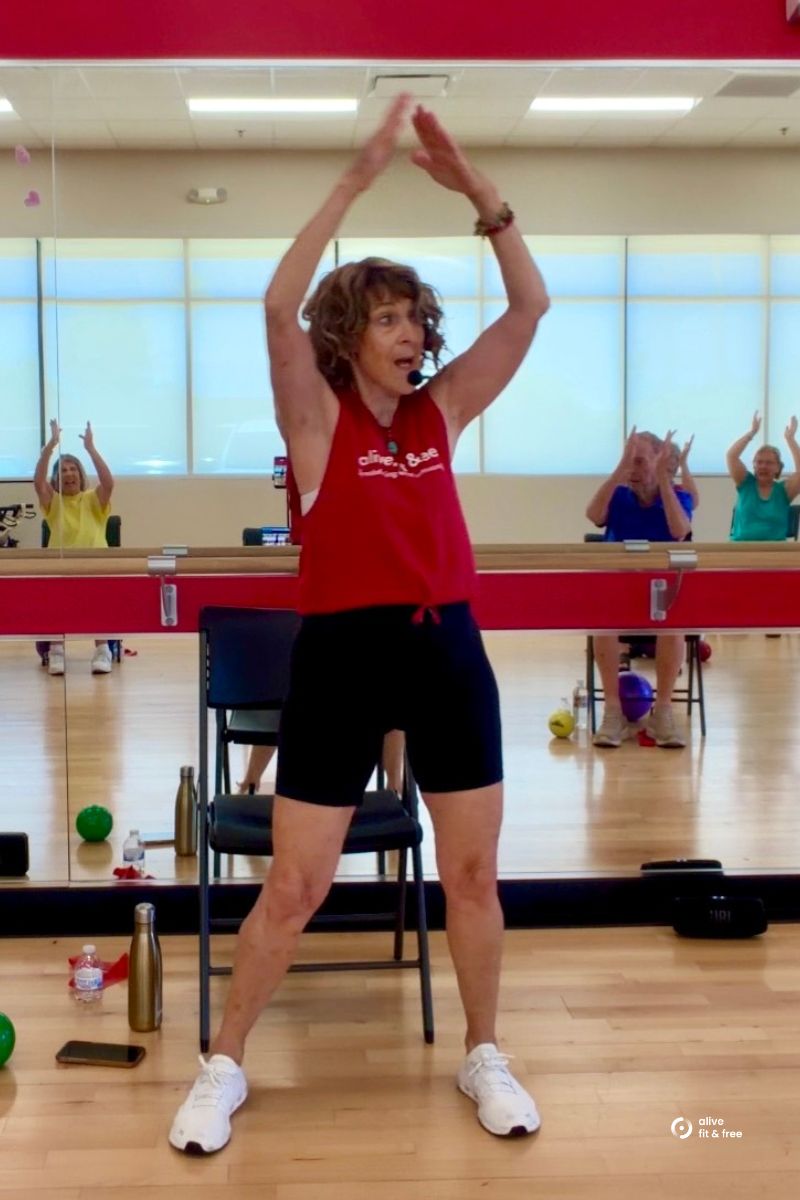
Clapping may not sound like a stress tool, but rhythm is deeply organizing for the brain. Simple movement patterns, especially when paired with sound or music, can support attention, coordination, and present-moment focus. For many people, clapping also feels energizing without being overwhelming. Clapping also stimulates many nerve endings in the hands, which sends strong sensory signals through the body and can help “wake up” and organize the nervous system.
Try this pattern:
- Clap 4 times.
- Tap your thighs 4 times.
- Repeat 4 rounds.
- Finish with one slow breath.
You can also play with simple patterns, such as clapping 2 fast + 2 slow, or clap–clap–pause–clap. Adding patterns gives the brain a gentle “puzzle” to solve, which pulls attention into the present moment. You can bring this to music or add cross-body movement, such as tapping your right hand to your left knee. These kinds of gentle, patterned movements help engage the brain and body together.
To get the most out of your practice, try adding cross-body movements, group clapping, and simple patterns to music. Be sure to smile and laugh too. Together, these create a lighter, more connected experience that supports both stress relief and brain health.
Bringing it into daily life
You do not need to use all five tools every day. In fact, it is better to choose one or two that feel easy and repeatable. The best nervous-system tools are the ones you will actually remember to use.
Here are a few simple combinations:
- Morning: mudra + 3 slow breaths.
- Midday: clap pattern + soft smile.
- Evening: long-exhale breathing + gentle laugh or a favorite funny clip.
For people living with dementia, Alzheimer’s, Parkinson’s, or caregiver stress, these tiny rituals can become anchors in the day. They do not need to be long to be helpful. A calm minute still counts.
A gentle next step
Alzheimer’s & Brain Awareness Month is a reminder that brain health is not only about diagnosis and decline. It is also about care, connection, and the small daily choices that help the brain and body feel safer and more supported. Stress relief is one of those choices.
If you would like guided support, watch the short video that goes with this post and save it for the days you need it most. And if you want to practice these tools in community, they are also woven into live virtual classes and follow-along sessions on the YouTube channel, where movement, breath, rhythm, and connection come together in a gentle, brain-smart way.
.png)