.png)


.png)
Burnout usually does not arrive all at once. It builds quietly. You may notice that you are more irritable than usual. Small things frustrate you. You feel tired all the time, but your body still struggles to relax. You stop looking forward to things you once enjoyed. You feel emotionally numb one day, tearful the next, and guilty for both. Many care partners keep pushing through because they think they have to. They tell themselves they will rest later. The trouble is, later keeps moving farther away.
One of the hardest parts of caregiving is that it can shrink your world. You may spend so much energy managing appointments, medications, routines, moods, and safety that your own needs slip to the bottom of the list. Meals become rushed. Sleep gets interrupted. Exercise disappears. Friendships fade into the background. Personal time starts to feel indulgent instead of necessary. That is a dangerous pattern because the more depleted you become, the harder it is to offer calm, patient care.
It helps to remember this simple truth: protecting your mental health is not selfish.

It is part of good caregiving. You matter in this equation. Your body matters. Your nervous system matters. Your emotions matter. When you are running on fumes, everyone feels it.
So what are the early signs of burnout? Pay attention if you notice frequent irritability, resentment, forgetfulness, trouble sleeping, hopelessness, constant worry, or a sense of emotional flatness. Notice if your own health appointments keep getting postponed. Notice if you cannot remember the last time you did something just because it made you feel good. These are not signs of weakness. They are signals that your system needs care too.
The good news is that support does not have to begin with a dramatic life overhaul. Start small. Even two to five minutes of breathing room can help. Step outside. Stretch your back and shoulders. Take three slow breaths before moving into the next task. Put on one favorite song and let your body move. These tiny resets help discharge stress before it piles up too high.
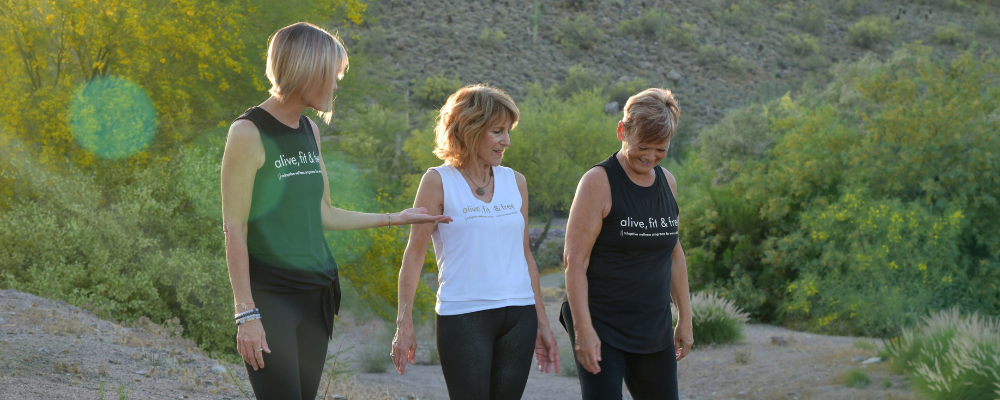
Movement is especially powerful for care partners because stress lives in the body.
%20(2).png)
It sits in the neck, jaw, shoulders, chest, and hips. A short walk, a few minutes of stretching, or a simple class can help you soften some of that tension. It is not about becoming a fitness fanatic. It is about giving your body a chance to exhale.
Support from other people matters too. If someone offers help, practice saying yes. If no one is offering, ask for one specific thing. One meal. One errand. One hour so you can rest or walk or simply be quiet. You do not need to explain or justify your need for support. You are allowed to need it.
Community can also be a lifeline. Whether it is a support group, a trusted friend, a faith community, or a movement class where others understand caregiving realities, being seen matters. So much burnout comes from feeling invisible. Connection interrupts that.
During Mental Health Month, let this be your reminder that caring for yourself is not separate from caring for your loved one.

It is part of the same circle of care. When you tend to your own mind and body, you create more steadiness, more patience, and more resilience for the road ahead.
You do not have to wait until you completely fall apart to start taking better care of yourself. Start now. Start small. Start with one breath, one stretch, one honest conversation, one ask for help.
As you do, you’ll have more energy, patience, and presence to truly enjoy the time you still have with your loved one. That is how healing begins.
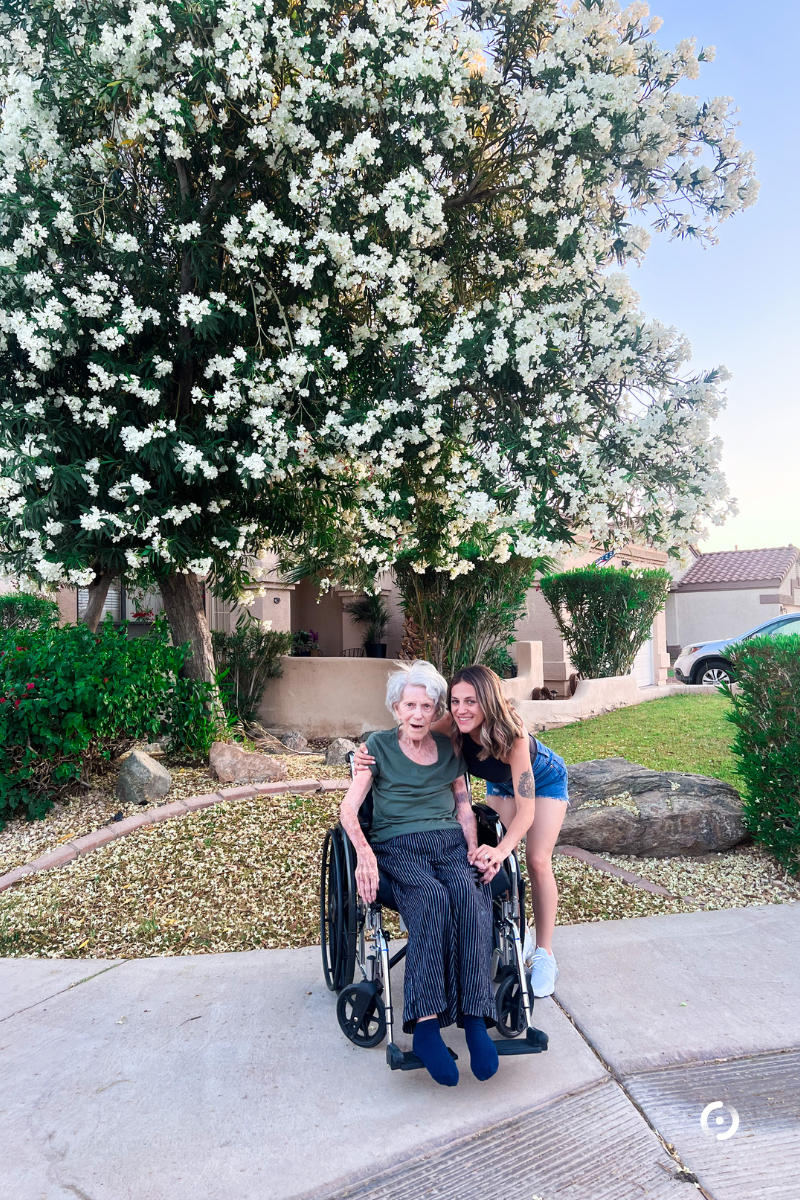
If you need a supportive space to move, breathe, and reconnect with yourself, Neuro.Up offers care partners a chance dementia or Alzheimer’s and looking for a more hopeful, practical way to feel stronger and more confident, our Neuro.Up for dementia or Alzheimer’s classes are here for you. These dementia or Alzheimer’s -specific movement sessions blend rhythm, coordination, brain-challenging activities, and community support in a safe, uplifting environment, with in-person and online options available and caregivers welcome.
Watch sample classes here:
Neuro Up for Dementia & Alzheimer’s Youtube Playlist
Email:
vickie@alivefitandfree.com
Call/text: 480-765-4627